
 Home >
- White Feces Syndrome in Shrimp Farming: Causes, Prevention and Effective Management Strategies
-
 User:admin
 Time:2026-07-20
 Hits:130
Introduction
White Feces Syndrome (WFS) is one of the common health challenges affecting intensive shrimp farming, especially in Litopenaeus vannamei (white shrimp)Production.
For shrimp farmers, WFS is not only a health concern but also a production challenge. It may reduce feed efficiency, slow shrimp growth, increase farming risks, and affect overall profitability.
The appearance of white fecal strings is often the first visible warning sign. However, White Feces Syndrome is rarely caused by a single factor. In most cases, it develops through a combination of intestinal imbalance, bacterial pressure, environmental stress, and unstable pond conditions.
A successful management strategy requires more than responding to symptoms. Maintaining healthy shrimp intestines, stable water quality, and balanced microbial communities is the foundation for sustainable shrimp production.
Quick Answers
What causes White Feces Syndrome in shrimp? White Feces Syndrome is usually related to multiple factors, including intestinal microbiota imbalance, Vibrio pressure, poor water quality, excessive organic matter, and farming stress. Can probiotics help manage White Feces Syndrome? Probiotics can support intestinal microbial balance and improve pond conditions when used as part of an integrated shrimp health management program. How can farmers reduce the risk of White Feces Syndrome? Maintaining stable water quality, supporting shrimp gut health, improving microbial balance, and practicing proper feeding management can help reduce risks.
Key Takeaways
• White Feces Syndrome is usually caused by multiple interacting factors rather than one single cause.
• Shrimp intestinal health plays an important role in digestion, growth, and disease resistance. • Stable pond conditions reduce stress and help maintain healthier shrimp.
• Prevention through daily management is more effective than emergency treatment.
1.What Is White Feces Syndrome?
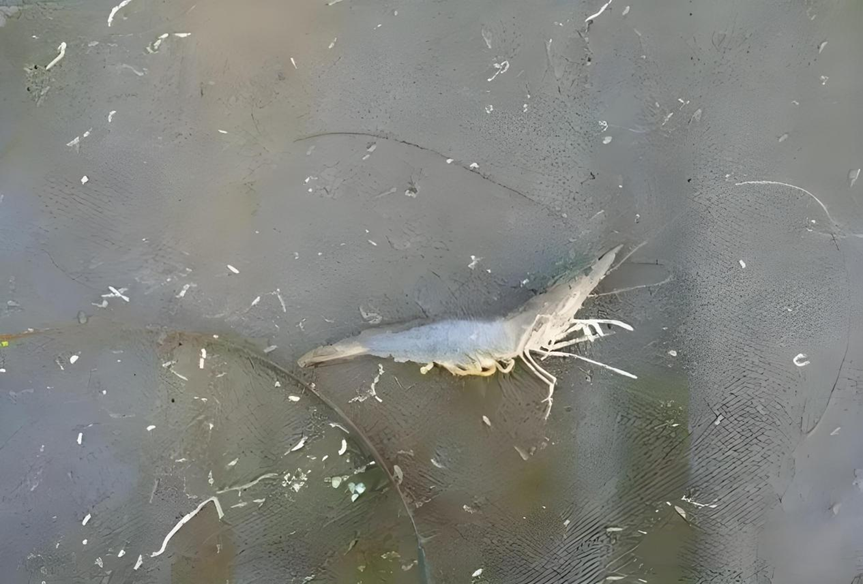
White Feces Syndrome refers to a condition where shrimp produce abnormal white fecal strings that are often visible floating on the pond surface. Healthy shrimp normally digest feed efficiently and maintain stable intestinal function. When digestion is disturbed, shrimp may produce abnormal feces, show reduced feeding activity, and experience slower growth. WFS should not be considered only as a visible symptom. It is often an indicator that shrimp health, intestinal balance, or pond conditions require attention.
Key Point
White Feces Syndrome is a signal of imbalance within the shrimp and farming environment.
2.Main Causes of White Feces Syndrome
2.1 Intestinal Microbiota Imbalance
The shrimp intestine contains a complex microbial community that supports:
• Feed digestion
• Nutrient absorption
• Immune function
• Disease resistance
When beneficial bacteria decrease and harmful microorganisms become dominant, intestinal balance may be disrupted.
This imbalance can lead to:
• Reduced digestion efficiency
• Poor nutrient absorption
• Intestinal stress
Abnormal feces formation Maintaining healthy intestinal microbiota is therefore an important part of modern shrimp farming.
2.2 Vibrio Pressure in Shrimp Ponds
Vibrio bacteria naturally exist in aquatic environments. Under stable pond conditions, they can remain at manageable levels.
However, when pond conditions become unstable, Vibrio populations may increase and create additional pressure on shrimp health.
Common risk factors include:
• Excess organic matter
• Poor pond bottom conditions
• High stocking density
• Low dissolved oxygen
• Sudden environmental changes
Higher bacterial pressure may contribute to:
• Intestinal damage
• Reduced appetite
• Increased stress sensitivity
• Lower farming performance
2.3 Environmental Stress and Water Quality Problems
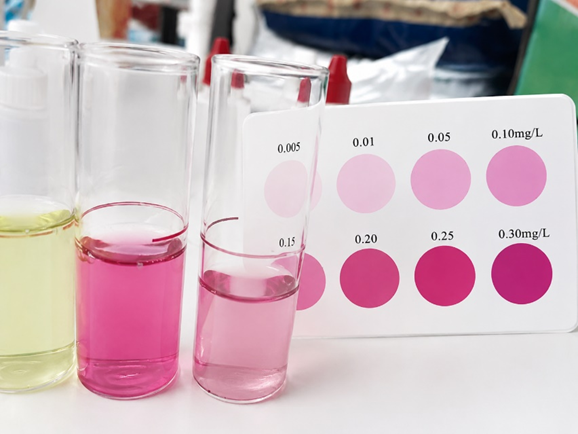
Shrimp are highly sensitive to environmental changes.
Common stress factors include:
• High ammonia levels
• High nitrite levels
• Low dissolved oxygen
• Unstable pH
• Excess organic waste
• Temperature fluctuations
Long-term environmental stress weakens shrimp resistance and affects digestive performance.
A stable pond environment provides the foundation for healthier shrimp growth.
2.4 Feed Management Problems
Feed quality and feeding practices directly influence shrimp intestinal health.
Potential risk factors include:
• Overfeeding
• Poor feed storage
• Nutritional imbalance
• Excess feed accumulation
Uneaten feed increases organic waste and creates favorable conditions for harmful microorganisms.
Proper feeding management helps maintain both shrimp health and pond stability.
3. Early Warning Signs of White Feces Syndrome
Farmers should monitor the following changes:
White fecal strings floating on the pond surface — This is the most recognizable sign of WFS.
Reduced feeding activity — Shrimp may show weaker feeding response or consume less feed.
Slow growth and uneven size — Poor digestion may affect growth performance.
Weak intestinal condition — Shrimp may show reduced digestive ability.
Increased environmental sensitivity — Affected shrimp may respond poorly to weather changes or water quality fluctuations.
Early detection allows farmers to adjust management strategies before production losses increase.
4. Prevention and Management Strategies
4.1 Maintain Stable Water Quality
Regular monitoring of:
• Dissolved oxygen
• Ammonia
• Nitrite
• pH
• Alkalinity
helps reduce environmental stress and maintain a healthier shrimp farming environment.
4.2 Improve Pond Microbial Balance
Beneficial microorganisms can support:
• Organic matter decomposition
• Pond bottom improvement
• Water quality stability
• Microbial balance
A healthy microbial ecosystem helps reduce excessive bacterial pressure.
4.3 Support Shrimp Gut Health
A strong intestinal system helps shrimp achieve:
• Better digestion
• Improved nutrient utilization
• Stronger resistance
• More stable growth performance
Functional feed additives, probiotics, and natural botanical ingredients can support shrimp intestinal health as part of a complete farming strategy.
4.4 Strengthen Daily Farm Management
Practical management includes:
• Observing shrimp feeding behavior
• Adjusting feeding according to demand
• Maintaining proper aeration
• Monitoring water quality regularly
• Reducing organic waste accumulation
Consistent management is the key to long-term farming stability.
5. Practical Solution Approach
Stress → Stabilize → Recover
A complete shrimp health management approach should focus on three stages:
5.1 Stress Management
Reduce environmental pressure caused by:
• Poor water quality
• Temperature changes
• Excess organic waste
• Farming stress
5.2 System Stabilization
Improve pond and microbial balance through:
• Water quality management
• Beneficial bacteria support
• Proper feeding strategies
5.3 Shrimp Recovery Support
Support shrimp performance through:
• Gut health improvement
• Nutritional support
• Better digestion and absorption
This integrated approach helps farmers build a more stable and sustainable shrimp farming system.
Frequently Asked Questions
Q1:.Is White Feces Syndrome a contagious disease?
White Feces Syndrome is usually considered a multifactorial condition rather than a single contagious disease. Environmental and biological factors often work together to trigger the problem.
Q2: Can probiotics prevent White Feces Syndrome?
Probiotics may help maintain microbial balance and support shrimp gut health when combined with proper pond management.
Q3: Does poor water quality cause white feces in shrimp?
Unstable water quality, high organic matter, and poor pond conditions can increase stress and contribute to intestinal problems.
Q4: How can shrimp farmers reduce the risk of White Feces Syndrome?
Farmers can reduce risks by maintaining stable water quality, improving gut health, managing feed properly, and maintaining microbial balance.
Q5: Can White Feces Syndrome be completely eliminated?
No farming system can eliminate all risks, but proper management can significantly reduce the probability and impact of WFS.
Conclusion
White Feces Syndrome is a complex challenge in modern shrimp farming. It is usually associated with multiple factors, including intestinal imbalance, bacterial pressure, environmental stress, and management practices.
The most effective approach is prevention through a combination of stable pond conditions, healthy shrimp gut function, balanced microbial communities, and consistent farm management.
By focusing on long-term shrimp health rather than only treating visible symptoms, farmers can improve production stability and achieve better farming performance.
About FanYu Bio
FanYu Bio provides professional aquaculture health solutions focused on shrimp gut health, pond stability, water quality management, and sustainable farming performance.
Through biological solutions, functional feed additives, and natural health-supporting ingredients, FanYu Bio helps shrimp farmers improve farming stability and build healthier production systems.
Build Stronger Shrimp. Create More Stable Farms.
Looking for practical solutions for shrimp health and pond management?
Contact FanYu Bio for professional aquaculture solutions and technical support tailored to your farming needs.
Related Articles
• 5 Common Causes of Vibrio Outbreaks in Shrimp Ponds
• How Probiotics Improve Shrimp Gut Health
• How to Manage Ammonia and Nitrite in Aquaculture Ponds